
Views: 0 Author: Ancheng Publish Time: 2026-01-29 Origin: Site
Disposable cutlery has become an essential part of modern food service, takeaway, catering, and event industries. From quick-service restaurants and food trucks to airlines, corporate cafeterias, and large-scale events, disposable forks, spoons, and knives offer unmatched convenience, hygiene, and efficiency.
However, as global awareness of plastic pollution and environmental responsibility grows, the definition of “best disposable cutlery” has changed dramatically. Today, buyers are no longer looking only for low cost and availability. Instead, they are prioritizing sustainability, material safety, durability, compostability, certifications, and brand responsibility.
This comprehensive guide explores what makes the best disposable cutlery in today’s market. We will cover materials, performance, environmental impact, use cases, certifications, industry trends, and how to choose the right supplier—helping you make informed purchasing decisions in 2026 and beyond.
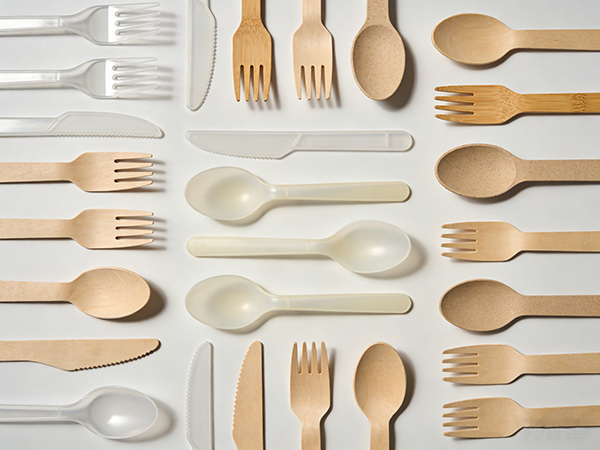
Disposable cutlery refers to single-use eating utensils designed to be discarded after one meal. Common items include:
Disposable forks
Disposable spoons
Disposable knives
Sporks and combination utensils
Cutlery sets (often including napkins)
Traditionally, disposable cutlery was dominated by petroleum-based plastics. While inexpensive, these products contribute significantly to environmental pollution and are increasingly restricted by government regulations worldwide.
As a result, the market has shifted toward eco-friendly disposable cutlery, made from renewable, biodegradable, or compostable materials.
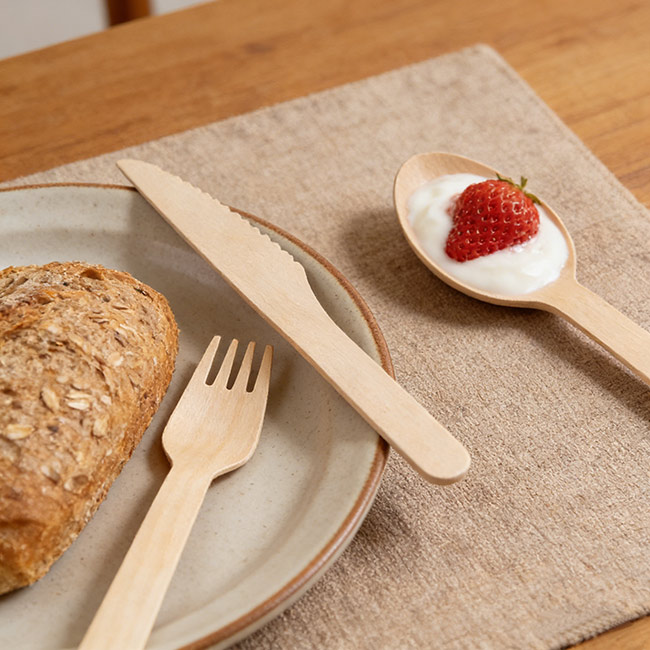
Selecting the right disposable cutlery is not just a purchasing decision—it impacts customer experience, brand image, compliance, and sustainability goals.
Poor-quality cutlery that bends, breaks, or feels uncomfortable can ruin a dining experience. High-quality disposable cutlery should be sturdy, smooth, and functional.
Eco-conscious consumers expect businesses to align with sustainable values. Using biodegradable or compostable cutlery enhances brand trust and loyalty.
Many regions now restrict or ban single-use plastic cutlery. Choosing compliant products protects your business from fines and supply disruptions.
Sustainable cutlery helps reduce landfill waste, ocean pollution, and carbon footprint.
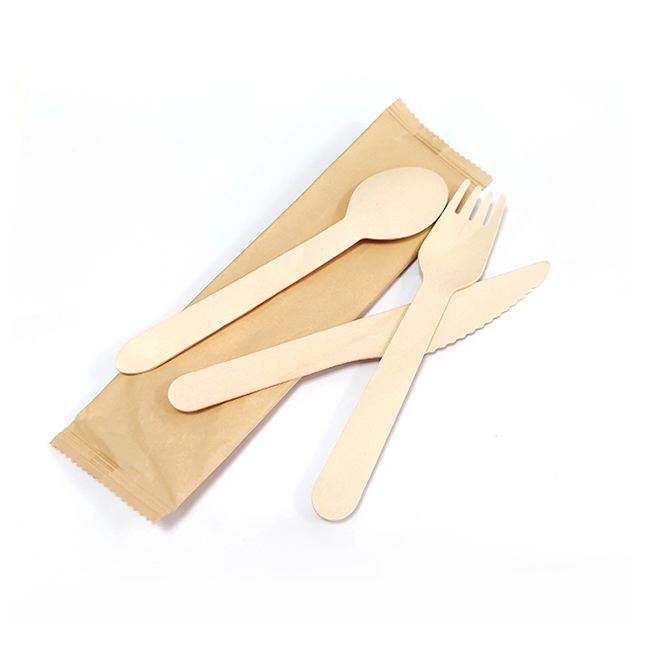
Overview:
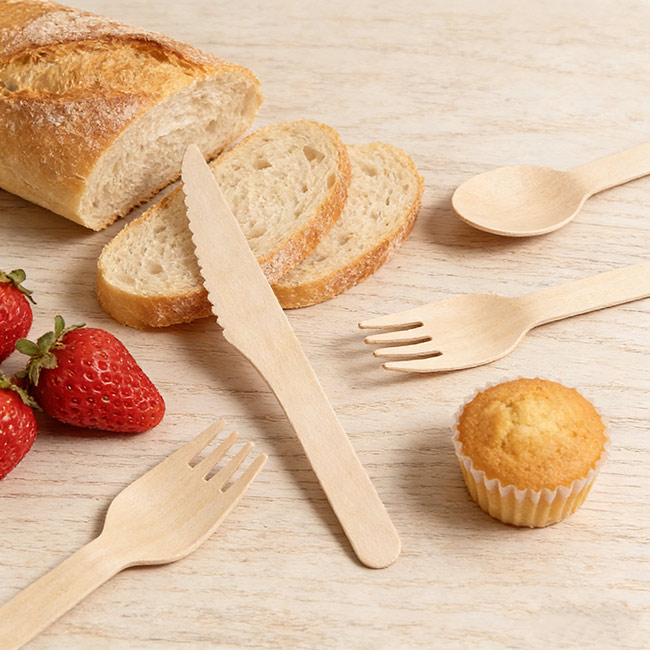
Wooden cutlery is made from sustainably sourced birch, beech, or other hardwoods.
Advantages:
100% natural and biodegradable
Compostable in industrial and home settings
Strong and heat-resistant
Plastic-free and chemical-free
Limitations:
Slight wood taste (can be minimized with proper finishing)
Not suitable for long-term liquid immersion
Best For:
Restaurants, cafes, catering, eco-friendly brands, airlines, and takeaway services.
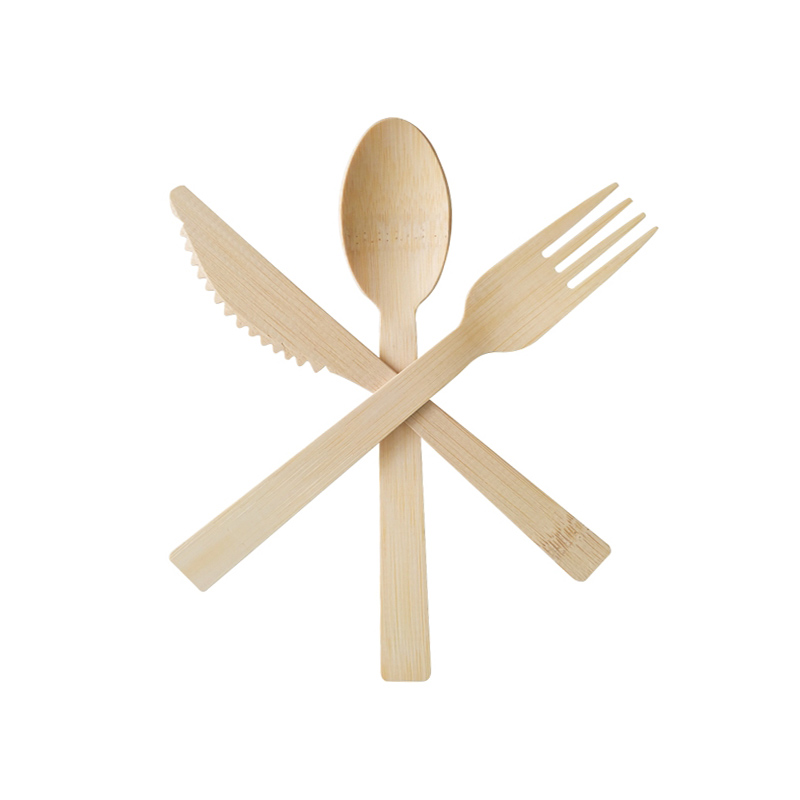
Overview:
Bamboo is one of the fastest-growing renewable resources, making it a premium sustainable option.
Advantages:
Extremely durable and strong
Naturally antibacterial
Smooth texture and elegant appearance
Fully biodegradable and compostable
Limitations:
Slightly higher cost than wood
Requires proper processing to ensure consistency
Best For:
Premium food service, hotels, eco-luxury events, and sustainability-focused brands.
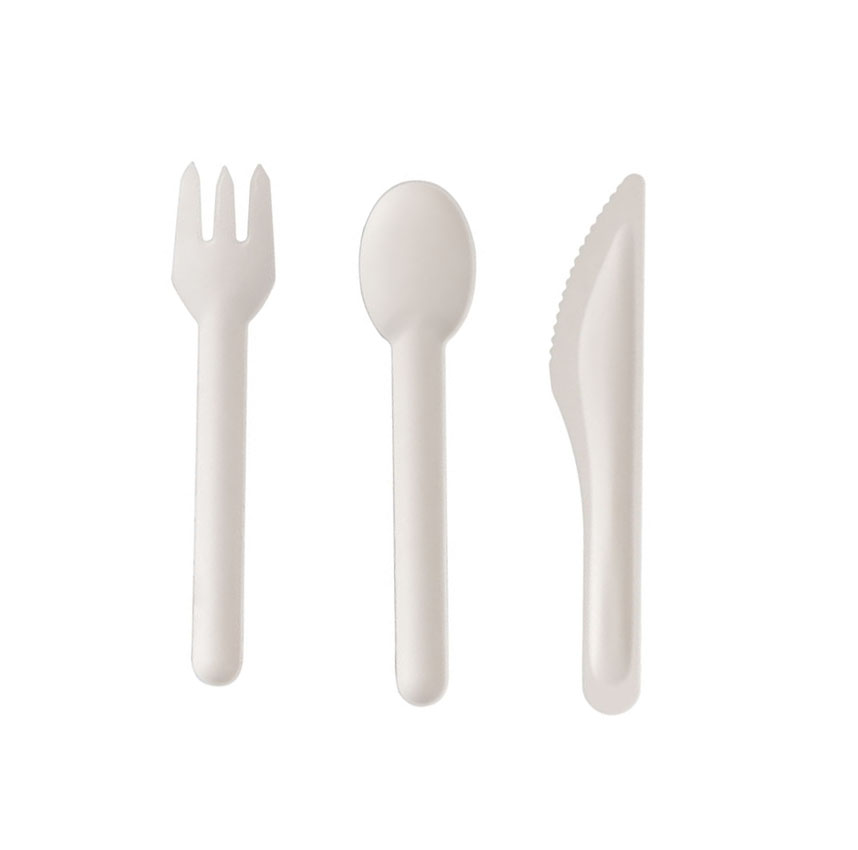
Overview:
Bagasse is an agricultural byproduct from sugarcane processing.
Advantages:
Made from sugarcane waste material
Compostable and biodegradable
Heat-resistant and lightweight
Limitations:
Less rigid than wood or bamboo
Limited availability compared to other materials
Best For:
Compostable food packaging systems and zero-waste operations.
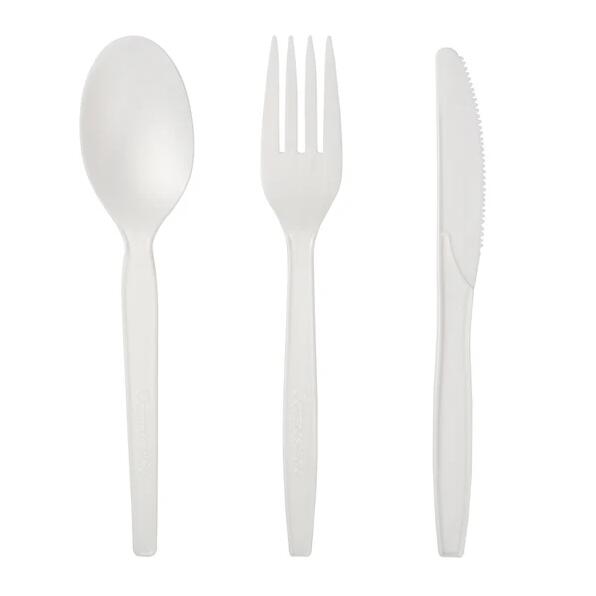
Overview:
CPLA is a modified bioplastic made from fermented plant starch (usually corn).
Advantages:
Compostable under industrial conditions
Heat-resistant compared to regular PLA
Smooth, plastic-like feel
Limitations:
Requires industrial composting facilities
Not biodegradable in natural environments
Best For:
Facilities with access to industrial composting and businesses transitioning away from plastic.
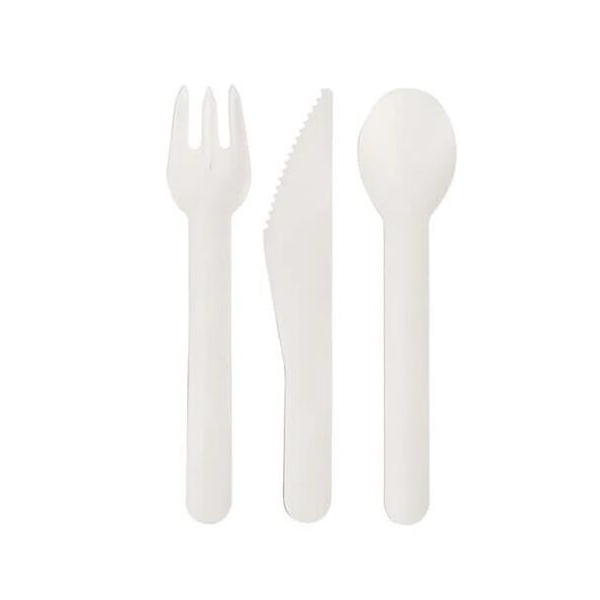
Overview:
Paper cutlery is made from compressed paper layers with food-safe coatings.
Advantages:
Plastic-fr
Lightweight and compostable
Low carbon footprint
Limitations:
Lower strength for heavy or hot foods
Limited lifespan during use
Best For:
Light meals, desserts, short-use applications.
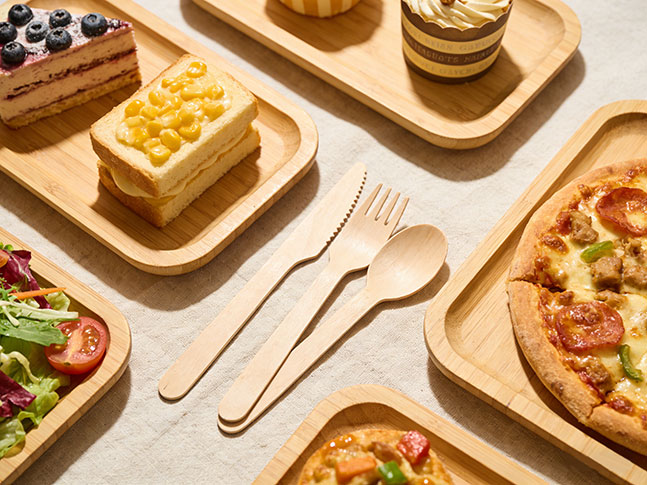
The best disposable cutlery should handle:
Hot foods
Dense meals (rice, pasta, meat)
Cutting and scooping without snapping
Look for:
FDA / LFGB food-contact approval
No harmful coatings, inks, or chemicals
Smooth edges to prevent mouth injuries
Top products should be:
Biodegradable or compostable
Made from renewable resources
Certified by recognized bodies
Ergonomic grip
Smooth mouthfeel
No splinters or sharp edges
Reliable suppliers ensure:
Stable quality
On-time delivery
Scalability for large orders

When evaluating the best disposable cutlery, certifications provide credibility and assurance.
Some certifications like:
FSC® – Responsible forest management
BPI / EN 13432 – Compostability standards
OK Compost – Industrial and home composting
FDA / LFGB – Food safety compliance
ISO 9001 / ISO 14001 – Quality and environmental management
BRC – Food safety, hygiene, and product quality standards for global retail supply chains
BSCI – Ethical manufacturing and social responsibility compliance
These certifications are especially important for exporters and international buyers.
Wooden or bamboo cutlery
Individually wrapped options for hygiene
Custom branding available
Strong forks and knives
Compostable sets with napkins
Lightweight for shipping efficiency
Elegant bamboo cutlery
Bulk packaging
Uniform appearance
Lightweight wooden cutlery
Compact packaging
Plastic-free compliance
Certified compostable options
Cost-efficient bulk supply
Sustainable procurement alignment
While reusable cutlery is ideal in closed-loop environments, disposable cutlery remains necessary where washing, logistics, or hygiene concerns exist.
Best disposable cutlery bridges the gap by offering:
Low environmental impact
High performance
Responsible end-of-life disposal
For many businesses, compostable disposable cutlery is the most practical and sustainable solution.
Governments worldwide are restricting plastic cutlery, accelerating demand for alternatives.
Businesses prefer complete compostable solutions—cutlery, containers, and packaging together.
More brands are using customized disposable cutlery as a marketing touchpoint.
Bamboo and high-quality wooden cutlery are replacing flimsy plastic in premium food service.
Buyers demand clear sourcing, certifications, and sustainability documentation.

Choosing the right disposable cutlery manufacturer is essential for ensuring product quality, regulatory compliance, and long-term supply stability. Unlike traders, manufacturers directly control materials, production, and quality standards.
1. Manufacturing Capability
Select manufacturers with their own production facilities, modern equipment, and sufficient capacity to ensure consistent quality and reliable lead times.
2. Material Knowledge and Sourcing
A good manufacturer should be transparent about raw material sources and demonstrate expertise in wood, bamboo, bagasse, or compostable materials. Certified and responsibly sourced materials are a strong indicator of reliability.
3. Quality Control and Food Safety
Disposable cutlery is a food-contact product. Manufacturers should follow strict quality control processes and comply with food safety standards required in your target market.
4. Sustainability and Compliance
The best manufacturers hold recognized certifications and understand global plastic-reduction regulations, helping your business avoid compliance risks.
5. Customization and Support
Manufacturers that offer custom designs, branding, and packaging provide added value and help differentiate your products in competitive markets.
6. Reliability and Communication
Clear communication, stable pricing, and on-time delivery are critical. A dependable manufacturer acts as a long-term partner rather than a short-term supplier.

Ancheng is a professional and eco-friendly disposable cutlery manufacturer based in Anhui, China, specializing in wooden and bamboo disposable cutlery for global markets.
Ancheng focuses on producing sustainable alternatives to plastic cutlery, serving foodservice brands, distributors, wholesalers, and retailers worldwide.
1. Sustainable Raw Materials
Ancheng sources responsibly managed wood and rapidly renewable bamboo, ensuring minimal environmental impact.
2. Advanced Manufacturing
Modern production lines deliver:
Smooth finishes
Consistent dimensions
High strength and durability
3. International Market Experience
Ancheng exports to Europe, North America, and other global markets, with a strong understanding of international regulations and quality requirements.
4. Customization Support
From logo-engraved cutlery to customized packaging, Ancheng helps brands stand out while staying eco-friendly.
5. Competitive Pricing
By optimizing supply chains and production efficiency, Ancheng offers excellent value without compromising sustainability.
For businesses seeking a reliable, eco-friendly disposable cutlery partner in China, Ancheng is a strong long-term choice.
Price is often the first factor buyers consider, but focusing only on unit cost can be misleading. Understanding total value is essential.
Raw material costs
Manufacturing process
Labor and energy expenses
Certifications and compliance costs
Packaging type and customization
Order volume and logistics
Cheapest options often come with hidden costs:
Breakage or poor performance
Negative customer feedback
Regulatory non-compliance
Brand damage
Higher-quality cutlery may:
Reduce complaints
Enhance brand image
Support sustainability goals
Increase customer satisfaction
To optimize cost:
Order in larger volumes
Choose standard designs when possible
Balance premium cutlery with simpler packaging
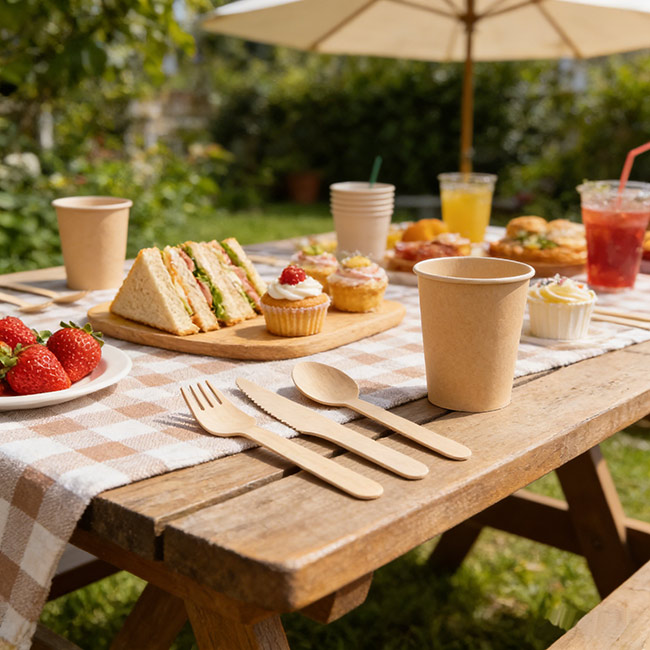
The disposable cutlery industry is evolving rapidly, driven by regulation, innovation, and changing consumer behavior.
Governments worldwide are accelerating plastic bans, pushing businesses toward wood, bamboo, bagasse, and paper-based alternatives.
Materials made from agricultural waste, fast-renewable plants, and recycled fibers will continue to gain traction.
Future disposable cutlery will focus on:
Better ergonomics
Enhanced strength
Smoother textures
More refined aesthetics
Consumers and businesses increasingly demand:
Clear sustainability claims
Verified certifications
Traceable supply chains
Custom packaging, QR codes, and sustainability messaging will become standard tools for brand differentiation.
The best disposable cutlery is no longer defined by convenience alone. In 2026, it represents a balance of performance, sustainability, safety, and responsibility.
Wooden and bamboo cutlery lead the market as strong, compostable, and consumer-approved solutions. When paired with reliable suppliers, proper certifications, and thoughtful design, disposable cutlery can support both operational efficiency and environmental goals.
By choosing the right materials and partners, businesses can deliver excellent dining experiences while contributing to a more sustainable future.
Wooden and bamboo disposable cutlery are among the most eco-friendly options due to their renewability, biodegradability, and compostability.
Bamboo cutlery is generally stronger and more durable, while wooden cutlery is more cost-effective. The best choice depends on your budget and application.
Wooden and bamboo cutlery can often be composted at home, while PLA and CPLA usually require industrial composting facilities.
Look for certifications, material transparency, product quality, customization options, and experience in international markets.
Eco-friendly cutlery may have a higher unit price, but it offers better long-term value through compliance, brand image, and customer satisfaction.


