
Views: 0 Author: Ancheng Publish Time: 2026-02-28 Origin: Site
Disposable spoons are essential in modern food service, catering, takeout businesses, and everyday convenience. From restaurants and coffee shops to airlines and large-scale events, these single-use utensils provide hygiene, efficiency, and cost-effective solutions for serving food.
As sustainability becomes a global priority and regulations on plastic usage continue to evolve, choosing the right disposable spoon requires understanding materials, environmental impact, performance, and compliance standards.
This complete disposable spoon guide covers everything you need to know — including types, materials, benefits, applications, and how to choose the best option for your business.
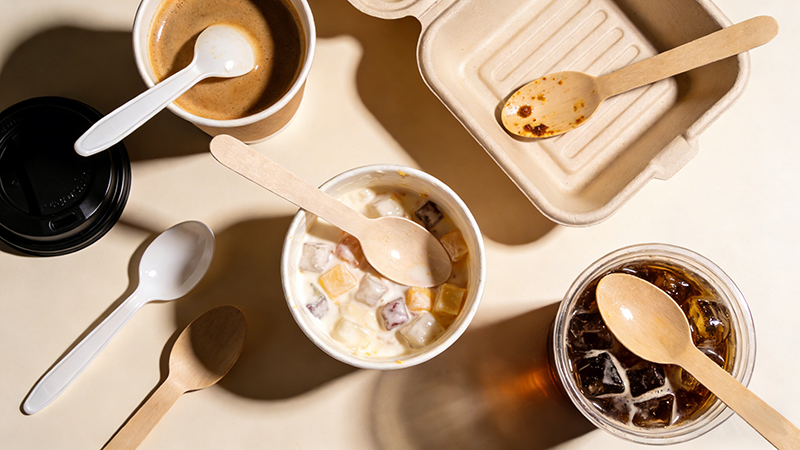
A disposable spoon is a single-use utensil designed for convenience, hygiene, and easy disposal after use. Unlike traditional metal spoons, disposable spoons eliminate the need for washing, reduce labor costs, and help maintain sanitation standards in food handling.
They are commonly used for:
Takeout and delivery services
Restaurants and cafeterias
Catering and events
Ice cream shops and dessert stores
Airlines and travel food services
Hospitals and healthcare facilities
Office pantries and convenience stores
Disposable spoons come in different materials, sizes, and designs to suit various food types and service environments.
The material of a disposable spoon determines its strength, sustainability, cost, and environmental impact. Below are the most common options available today.
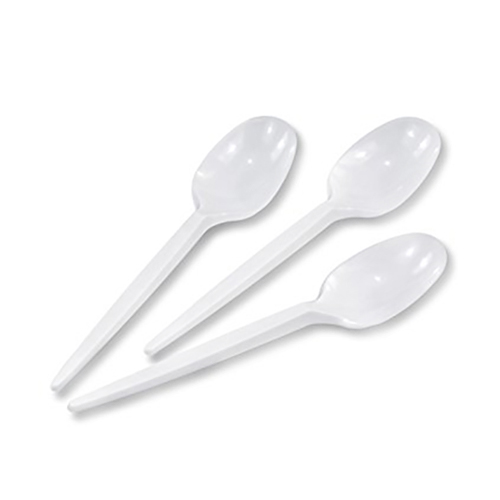
Plastic spoons are the most widely used disposable utensils due to affordability and durability.
Polystyrene (PS)
Lightweight and low cost
Smooth and rigid structure
Common for desserts and cold foods
Less heat resistant
Polypropylene (PP)
More flexible and durable
Heat resistant
Suitable for hot foods
Better impact resistance
CPLA (Crystallized PLA)
Plant-based plastic alternative
Higher heat resistance than PLA
Industrially compostable
Strong and reliable
Cost-effective for large orders
Available in multiple designs
Lightweight for transportation
Environmental concerns for traditional plastics
Disposal restrictions in some regions
Non-biodegradable (PS and PP)
Many regions regulate single-use plastics, including guidance from organizations such as the U.S. Environmental Protection Agency and the European Commission.
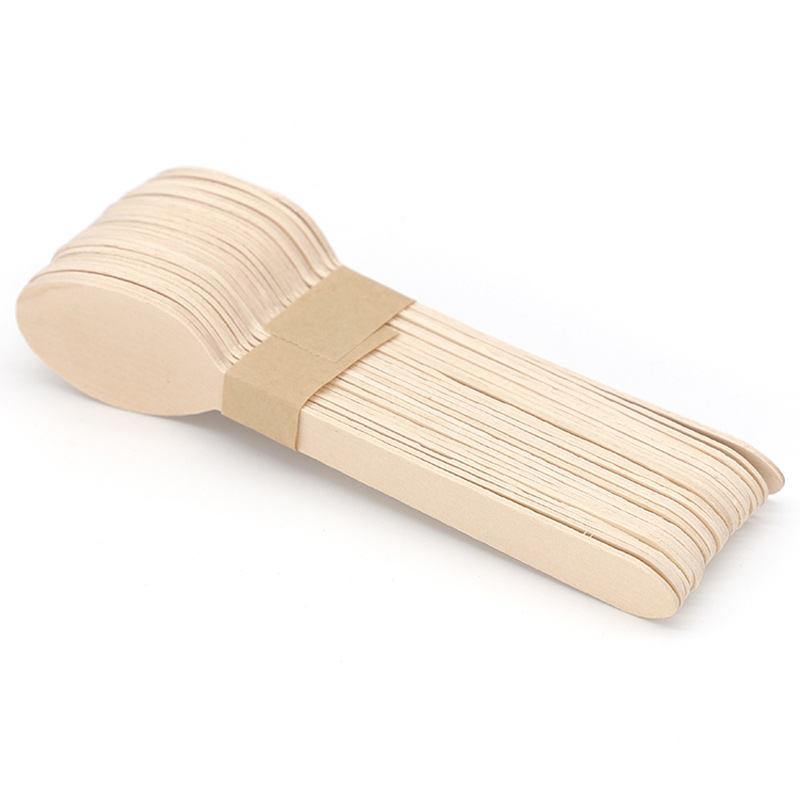
Wooden spoons are made from renewable natural wood sources like birch and are increasingly popular in sustainable packaging.
Natural and biodegradable
Smooth surface after polishing
No plastic waste
Suitable for both hot and cold foods
Eco-friendly and renewable
Compostable
Strong structure
Premium natural appearance
Higher cost than plastic
Limited flexibility
Slight natural taste if untreated
Wooden spoons are ideal for environmentally conscious brands and premium food service experiences.
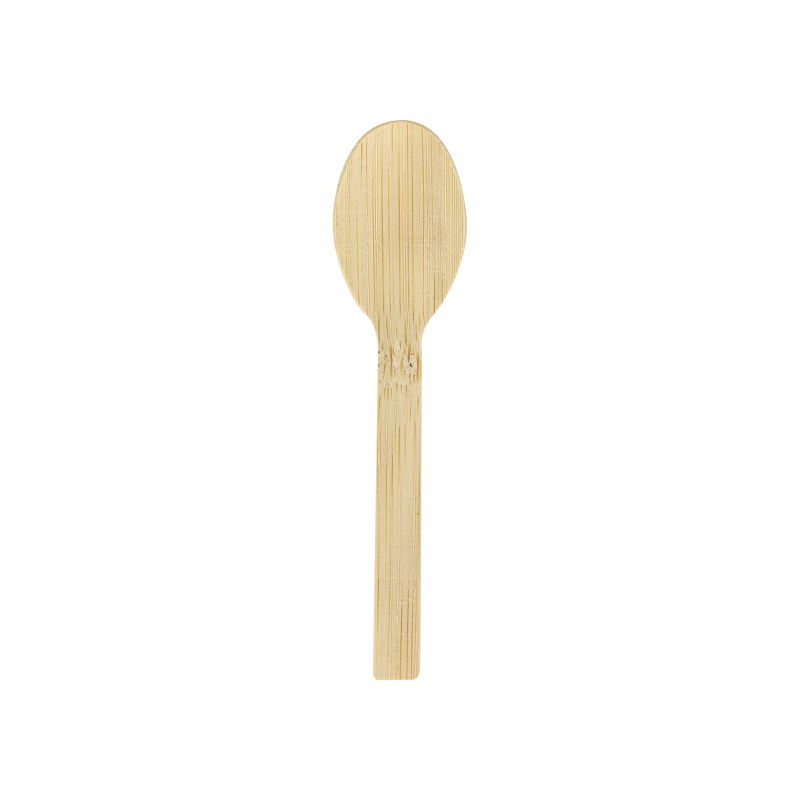
Bamboo spoons offer a highly sustainable alternative due to bamboo’s rapid growth and minimal environmental impact.
Fast renewable resource
Strong and lightweight
Biodegradable
Elegant appearance
Highly sustainable material
Durable performance
Resistant to breaking
Premium branding appeal
Because bamboo grows quickly without pesticides, it is considered one of the most sustainable raw materials available.
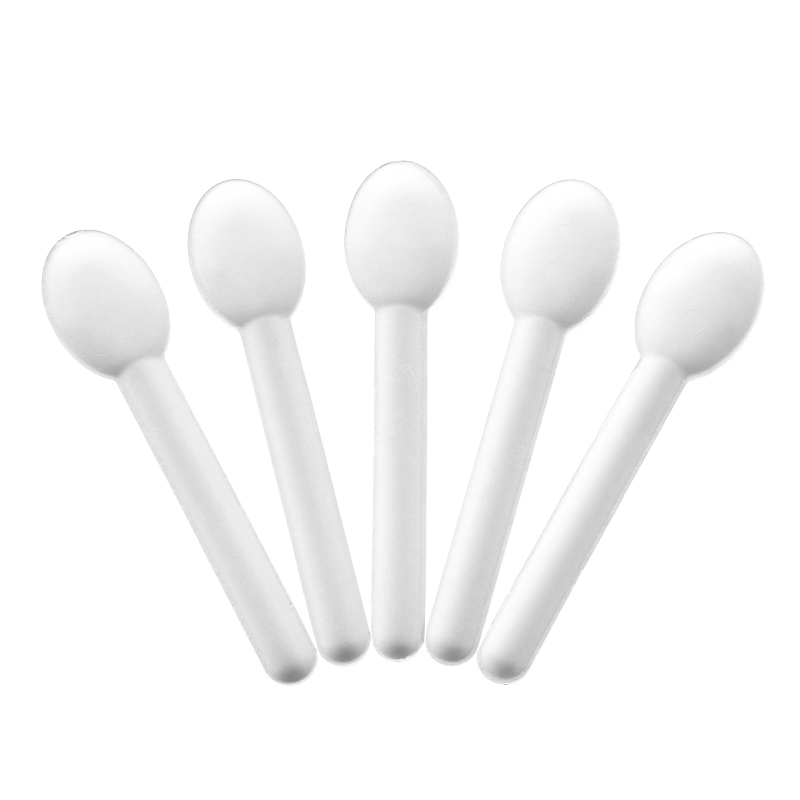
Bagasse spoons are made from sugarcane pulp, a byproduct of sugar production. This material has become popular in sustainable food packaging.
Compostable and biodegradable
Oil and water resistant
Suitable for hot and cold foods
Made from agricultural waste
Reduces agricultural waste
Strong and sturdy
Plastic-free solution
Environmentally responsible
Bagasse products are widely used by eco-focused restaurants and takeout services.
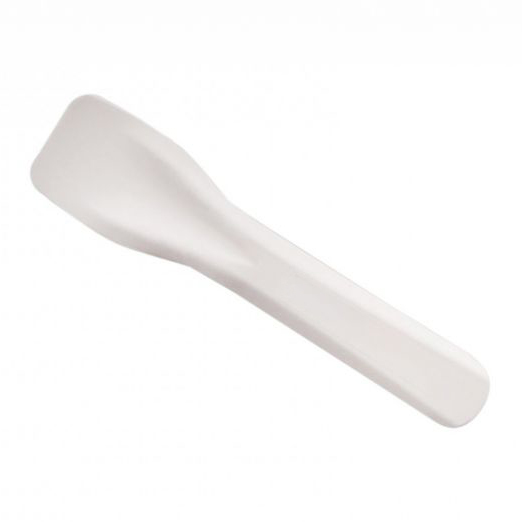
Paper spoons are an emerging eco-friendly alternative.
Made from food-grade paper
Lightweight
Compostable in many conditions
Designed for light food applications
Less durable than other materials
Not suitable for heavy or hot foods
Shorter usage time
Paper spoons are often used for tasting samples or light desserts.
Disposable spoons also vary in design depending on usage.
Small size
Ideal for coffee, tea, and desserts
Common in cafés and hotels
Standard size for meals
Suitable for soups, rice, and main dishes
Medium size
Used for ice cream and yogurt
Deep bowl design
Designed for liquids and hot foods
Multi-functional design
Popular for takeout and travel meals
Selecting the correct size improves customer experience and reduces waste.
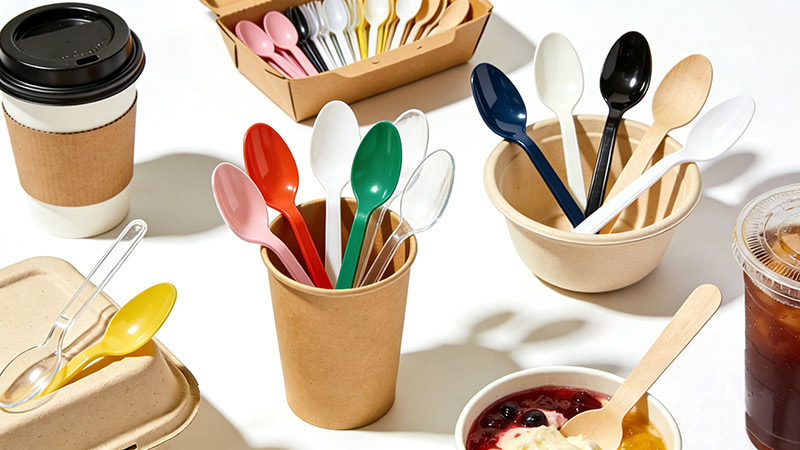
Disposable spoons offer significant operational advantages for businesses and consumers.
Single-use utensils eliminate cross-contamination risks and reduce exposure to bacteria. Food safety authorities such as the U.S. Food and Drug Administration emphasize sanitary food handling practices, making disposable utensils essential in healthcare and food service settings.
No washing required
Reduced labor costs
Faster service operations
Easy transportation
Disposable spoons simplify operations for high-volume environments.
Bulk purchasing reduces costs significantly, especially for:
Restaurants
Catering companies
Airlines
Events and conferences
Lower operational costs improve overall profitability.
Modern disposable spoons now include eco-friendly materials such as:
Bamboo
Bagasse
Wood
Compostable bioplastics
These options help businesses meet sustainability goals.
Disposable spoons are ideal for:
Takeout packaging
Travel meals
Outdoor events
Delivery services
Their low weight reduces shipping and logistics costs.
Understanding environmental impact is critical in 2026 purchasing decisions.
Plastic spoons can persist for centuries and contribute to microplastic pollution, while biodegradable alternatives reduce landfill waste and environmental damage.
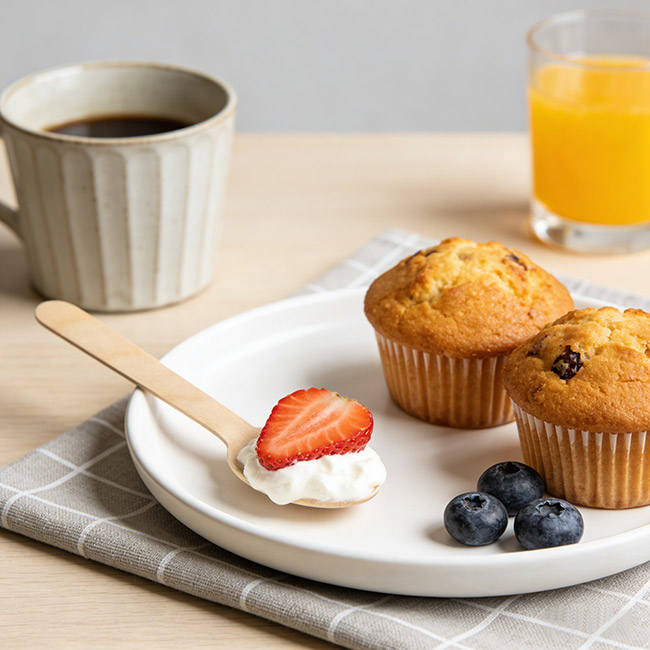
Choose based on sustainability goals, cost, and performance.
Budget focus → plastic
Sustainability → wood, bamboo, bagasse
Balanced option → PLA
Ensure spoons handle intended food types:
Soup → strong plastic, bamboo, bagasse
Desserts → paper or wood
Heavy meals → reinforced plastic or bamboo
Some materials soften under heat. Wood and bamboo generally handle hot food better than paper.
Look for certifications indicating environmental claims are verified.
Common certifications include:
Industrial compostable standards
FSC certification for wood sourcing
Food contact safety approval
Consider:
Texture
Taste neutrality
Smoothness
Mouthfeel
Ergonomic design
Large-scale operations should evaluate:
Unit price
Bulk discounts
Logistics and shipping
Supply reliability
Paper and plant-fiber products may degrade in humid environments.

Many countries and regions are restricting single-use plastics, increasing demand for alternatives.
New plant-fiber blends and improved bioplastics offer better durability and performance.
Businesses are shifting toward compostable or recyclable food service systems.
Companies use eco utensils to strengthen brand identity and customer trust.
Products made from sugarcane pulp and other waste fibers are gaining popularity.
While reusable utensils are ideal for long-term sustainability, disposable spoons remain necessary for many applications, including takeout services, healthcare environments, and large-scale food operations.
Choosing sustainable materials can significantly reduce environmental impact while maintaining convenience.
Disposable spoons play a crucial role in modern food service, offering convenience, hygiene, and operational efficiency. With increasing environmental awareness and regulatory changes, businesses must carefully consider material choice, sustainability, and quality standards when selecting disposable cutlery.
From traditional plastic to renewable wood, bamboo, and compostable bagasse options, the market now provides solutions for every industry and application. Choosing the right disposable spoon improves customer experience, strengthens brand image, and supports long-term sustainability goals.
As demand for eco-friendly packaging continues to grow, investing in high-quality, certified disposable spoons ensures your business remains competitive, responsible, and future-ready.
Some plastic spoons are recyclable, but many recycling systems do not accept them. Compostable spoons require composting facilities rather than recycling.
Wood, bamboo, and bagasse are among the most sustainable because they are renewable and biodegradable.
No. Biodegradable means the material breaks down over time, while compostable products break down under specific composting conditions.
Yes, but performance depends on material. Wood, bamboo, and heavy-duty plastic handle heat well, while standard PLA is better for cold use.
Bagasse products may break down in around 60–90 days under proper composting conditions.
They reduce reliance on petroleum but often require industrial composting and may not degrade naturally.


