
Views: 0 Author: Ancheng Publish Time: 2026-01-16 Origin: Site


As demand for sustainable foodservice products continues to grow, disposable wooden cutlery has become a preferred alternative to plastic. Restaurants, cafés, airlines, caterers, supermarkets, and eco-conscious brands are all turning to wooden utensils to reduce environmental impact while maintaining functionality and food safety.
However, not all wooden cutlery is the same.
The type of wood used directly affects product strength, mouthfeel, safety, cost, appearance, and sustainability credentials. For buyers and brand owners, choosing the best wood for disposable cutlery is essential to delivering a quality product that meets both regulatory requirements and customer expectations.
In this comprehensive guide, we explore:
Why wood is ideal for disposable cutlery
Key criteria for selecting the right wood
The most commonly used woods for disposable cutlery
A detailed comparison of each wood type
Sustainability, certifications, and food safety considerations
How to choose the best wood for your market and application
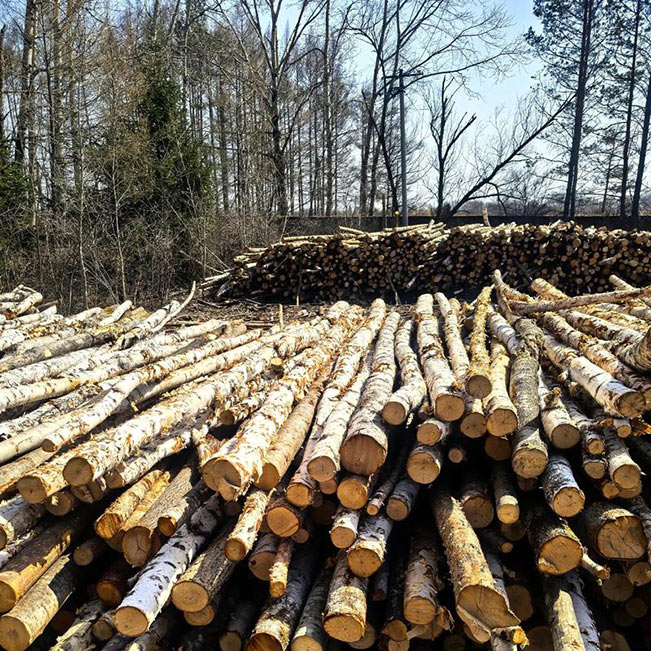
Wood has become one of the most trusted materials for disposable cutlery, especially in markets like Europe, North America, Australia, and Japan.
1. Natural and Renewable
Wood is derived from renewable forests and, when responsibly sourced, has a much lower environmental impact than plastic.
2. Plastic-Free and Biodegradable
Unlike plastic cutlery, wooden cutlery naturally decomposes and does not release microplastics into the environment.
3. Compostable
Most wooden cutlery products are industrially compostable, and many can biodegrade naturally without special treatment.
4. Strong and Heat-Resistant
High-quality wooden cutlery can withstand hot foods, soups, and oily dishes without melting or deforming.
5. Neutral Taste
Properly processed wood does not affect food flavor, making it suitable for both hot and cold dishes.
6. Premium Appearance
Wooden cutlery conveys an eco-friendly and premium brand image, especially for organic food brands and sustainable restaurants.
Not all woods are suitable for food contact or mass production. The best wood for disposable cutlery must meet several critical requirements.
The wood must be:
Non-toxic
Free from harmful resins, oils, or odors
Suitable for direct food contact
Disposable cutlery must:
Resist breaking under pressure
Handle cutting, scooping, and stirring
Maintain structure when exposed to heat and moisture
High-quality wooden cutlery should have:
A smooth surface
No splinters or rough edges
Comfortable mouthfeel
The wood should not:
Transfer woody or bitter flavors
Emit strong odors when exposed to hot food
The ideal wood:
Comes from fast-growing or abundant species
Is harvested from responsibly managed forests
Has stable long-term supply for mass production
For disposable products, the wood must balance:
Raw material cost
Processing efficiency
Yield and waste rate
Several types of wood are commonly used in disposable cutlery manufacturing. Each has its own advantages and limitations.
Birch Wood
Beech Wood
Poplar Wood
Pine Wood
Bamboo (technically grass, but often compared with wood)
Let’s explore each in detail.

Birch wood is the most commonly used material for disposable wooden cutlery in global markets.
Light color
Fine and uniform grain
Medium hardness
Smooth surface after processing
1. Excellent Strength
Birch is strong enough for forks, knives, and spoons without being overly dense.
2. Smooth Mouthfeel
The fine grain structure allows for smooth polishing, reducing splinter risks.
3. Neutral Taste
Birch has almost no smell or taste, making it ideal for food contact.
4. Easy to Process
Birch can be efficiently cut, pressed, and molded into cutlery shapes.
5. Widely Available
Birch forests are abundant in Northern Europe, Russia, and parts of Asia.
Often sourced from managed forests
FSC® certification is widely available
Low resin content
Disposable forks, spoons, and knives
Ice cream spoons
Overall Verdict:
Birch is often considered the best all-around wood for disposable cutlery due to its balance of strength, safety, appearance, and cost.

Beech wood is known for its hardness and durability, often used when higher strength is required.
Pale cream to light pink color
Dense and hard
Uniform grain
1. High Strength and Durability
Beech is harder than birch, making it suitable for knives that need cutting power.
2. Premium Look and Feel
Beech cutlery often feels more solid and refined.
3. Good Heat Resistance
Performs well with hot meals.
Higher cost compared to birch
Slightly heavier
Less flexible, increasing risk of cracking if poorly processed
Common in European forests
FSC-certified beech is widely available
Disposable wooden knives
Premium cutlery sets
Airline or catering services
Overall Verdict:
Beech is ideal for high-strength or premium disposable cutlery, especially knives.
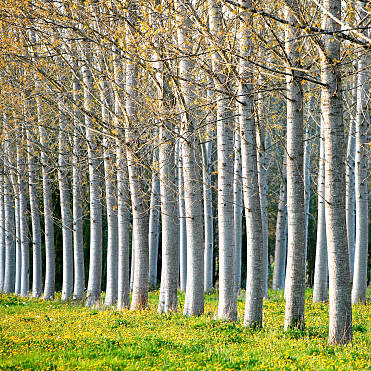
Poplar wood is a fast-growing species widely used in disposable products.
Very light color
Soft and lightweight
Straight grain
1. Low Cost
Poplar is one of the most economical woods available.
2. Easy to Cut and Shape
Suitable for high-speed production lines.
3. Sustainable Growth
Poplar trees grow quickly and regenerate easily.
Lower strength
Not ideal for knives
Can feel less premium
Fast-growing plantations
Lower environmental impact per unit
Spoons and forks
Ice cream spoons
Low-cost disposable cutlery
Overall Verdict:
Poplar is best for cost-sensitive markets and lightweight applications.

Pine is widely available but less commonly used for disposable cutlery.
Softwood
Visible grain patterns
Natural resin content
Widely available
Low raw material cost
Resin can affect taste and smell
Softer texture increases splinter risk
Requires additional processing
Fast-growing
Widely planted
Overall Verdict:
Pine is not ideal for disposable cutlery unless carefully processed.

Although bamboo is not wood, it is often compared directly.
Extremely fast growing
High tensile strength
Distinct fiber pattern
Highly renewable
Strong and durable
Popular in eco-branding
Can feel fibrous if poorly processed
Harder to achieve ultra-smooth finish
Slight taste or texture if not treated well
Best for:
Eco-focused branding and reusable or semi-disposable cutlery
Among all options, birch stands out as the most balanced and reliable choice.
Birch cutlery:
Feels sturdy in hand
Does not snap easily
Performs well with hot foods
Smooth edges
No splinters
Neutral taste
This is critical for customer satisfaction.
Birch:
Machines cleanly
Produces minimal waste
Allows consistent mass production
Birch wooden cutlery is:
Widely accepted by supermarkets
Common in airline catering
Preferred by European buyers
Understanding the manufacturing process helps buyers ask the right questions and evaluate suppliers, you can read this article: https://www.anchengfoodservice.com/manufacturing-process.html
As a B2B wholesaler, offering value-added services can differentiate your business:
Logo printing on cutlery or packaging
Custom colors (based on wood types)
Co-branding options for large accounts
Window boxes
Kraft paper wraps
Bulk packs for food service
Include FSC logos, eco-claims, composting instructions, and QR codes linking to sustainability reports.
Ancheng can provide these services for your eco business.
When selecting wood for disposable cutlery, certifications are essential.
FDA (USA) food contact compliance
LFGB (Germany)
EU Regulation (EC) No 1935/2004
FSC® (Forest Stewardship Council)
PEFC™
BSCI / SMETA audits for factories
Certified wood ensures:
Responsible forest management
Legal harvesting
Traceable supply chains
Selecting the ideal wood for disposable cutlery is a strategic decision for B2B wholesalers. It involves balancing sustainability, performance, compliance, cost, and brand value. Here’s a simplified recommendation framework:
Premium Dining & Hospitality: Beechwood or Birchwood
Eco-Centric Branding: Bamboo or FSC-certified Birch
Cost-Effective Everyday Use: Maple or responsibly sourced Birch
Innovation & Differentiation: Mixed wood options or value-added branded packaging
By prioritizing quality, sustainability credentials, and supply chain reliability, wholesalers can secure long-term partnerships, satisfy growing customer demand, and position themselves as leaders in the eco-friendly disposable cutlery market.
Ancheng is your trusted eco friendly disposable tableware manufacturer with 20+ years of export experience, robust quality control, and tailored solutions for wholesalers worldwide. Contact us for:
✔ Sample orders
✔ Custom branding
✔ Bulk pricing
✔ Certification documentation


